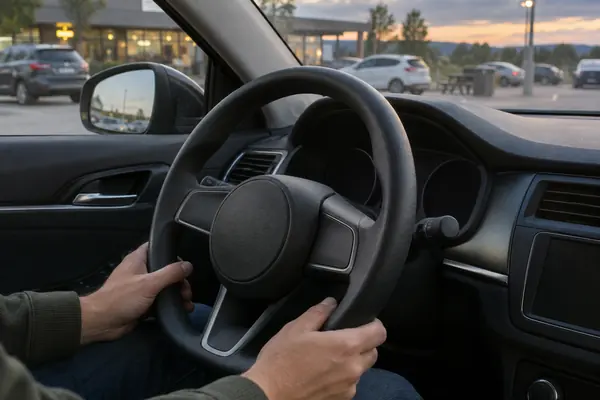
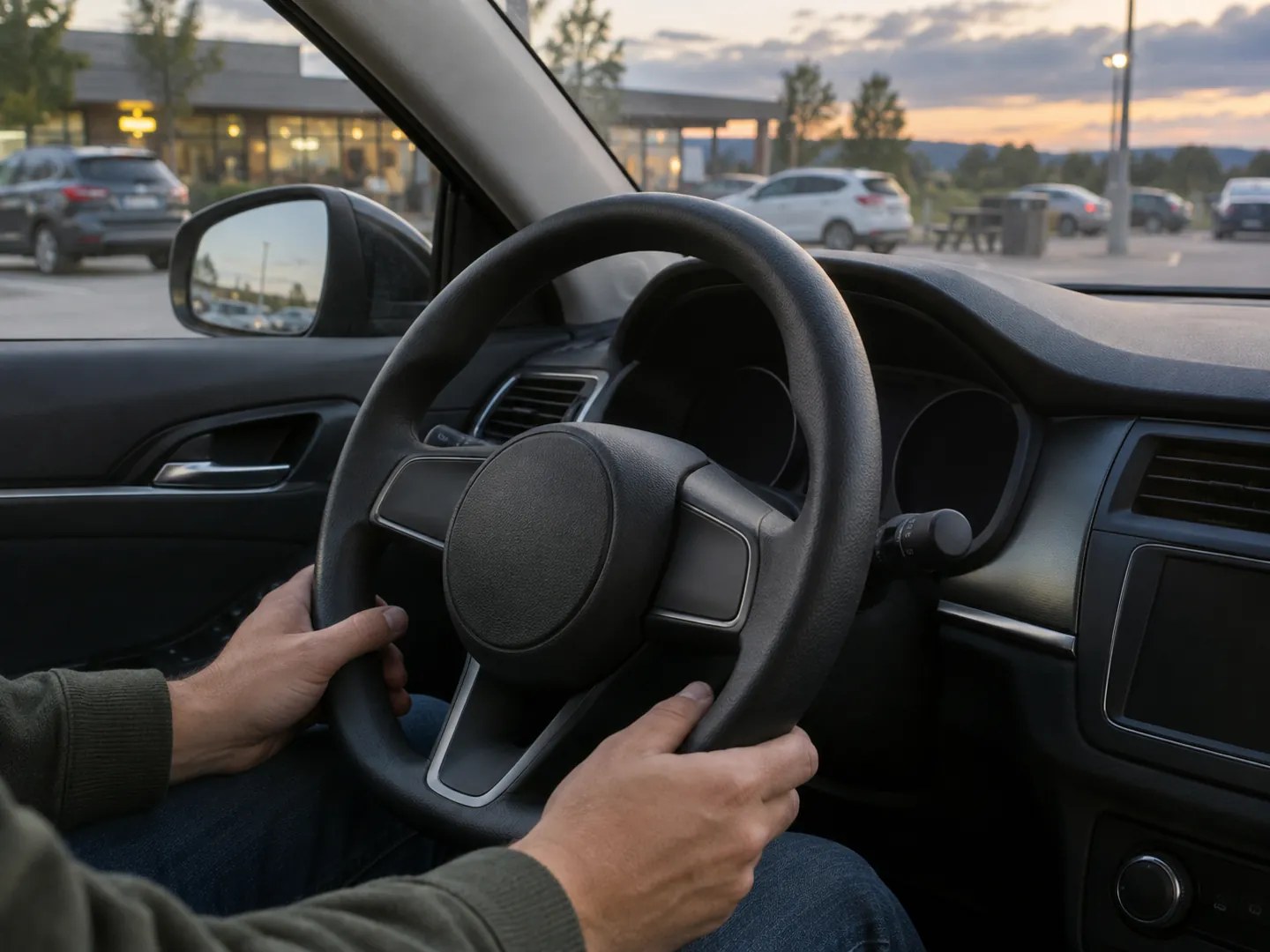
- Sleep before you go
- Plan the breaks
- Stop when sleepy
- Simple habits for long drives

BEFORE YOU GO
Sleep first
The Highway Code says do not begin a journey if you are tired, and get sufficient sleep before a long one.
Check a journey doodledriver
Updated
WHAT THE GUIDANCE SAYS
Tiredness is easy to underestimate.
RoSPA says fatigue may contribute to up to 20% of road collisions and up to a quarter of fatal and serious ones. The Highway Code's answer is plain: sleep before a long trip, avoid the small hours, and plan regular breaks.
15 MIN break every 2 hours
Check a journey
THE SHORT ANSWER
Sleepiness builds slowly and quietly.
The guidance is about planning, not willpower.
BEFORE YOU GO
The Highway Code says do not begin a journey if you are tired, and get sufficient sleep before a long one.
Check a journeyON THE ROAD
It recommends a break of at least 15 minutes after every two hours of driving, planned into the route before you set off.
How to planIF YOU FEEL SLEEPY
Stop in a safe place as soon as you can, but not in an emergency area or on a motorway hard shoulder.
See the numbersA QUICK JOURNEY CHECK
Pick a situation to see what the guidance says about tiredness. The bar shows how strongly the guidance points to extra care.
Based on the Highway Code rule 91, DVLA leaflet INF159 and RoSPA's driver fatigue factsheet. General information only.
TWO NUMBERS WORTH KNOWING
One figure on how often fatigue plays a part,
one on how much a short night raises the risk.
up to 20%
Road collisions fatigue may contribute to
RoSPA, citing the Department for Transport, says fatigue may contribute to up to 20% of road collisions and up to one quarter of fatal and serious collisions.
COLLISIONS · ROSPA
11.5× higher
Collision rate with 4 hours' sleep or less
Compared with 7 hours' sleep in the previous 24 hours, 4 hours or less was linked to 11.5 times the collision rate, in a 2016 US study cited by RoSPA.
SLEEP · AAA FOUNDATION STUDY
RoSPA notes that it is hard to determine the exact number of fatigue-related collisions. It estimates that about 1,300 UK injury collisions in 2022 involved driver fatigue.
FOUR HABITS FOR LONG DRIVES
None of this needs special kit. It is about deciding when to stop before the journey starts.
Get sufficient sleep before a long journey, and do not set off if you already feel tired.
Where you can, keep long drives out of the midnight to 6am window.
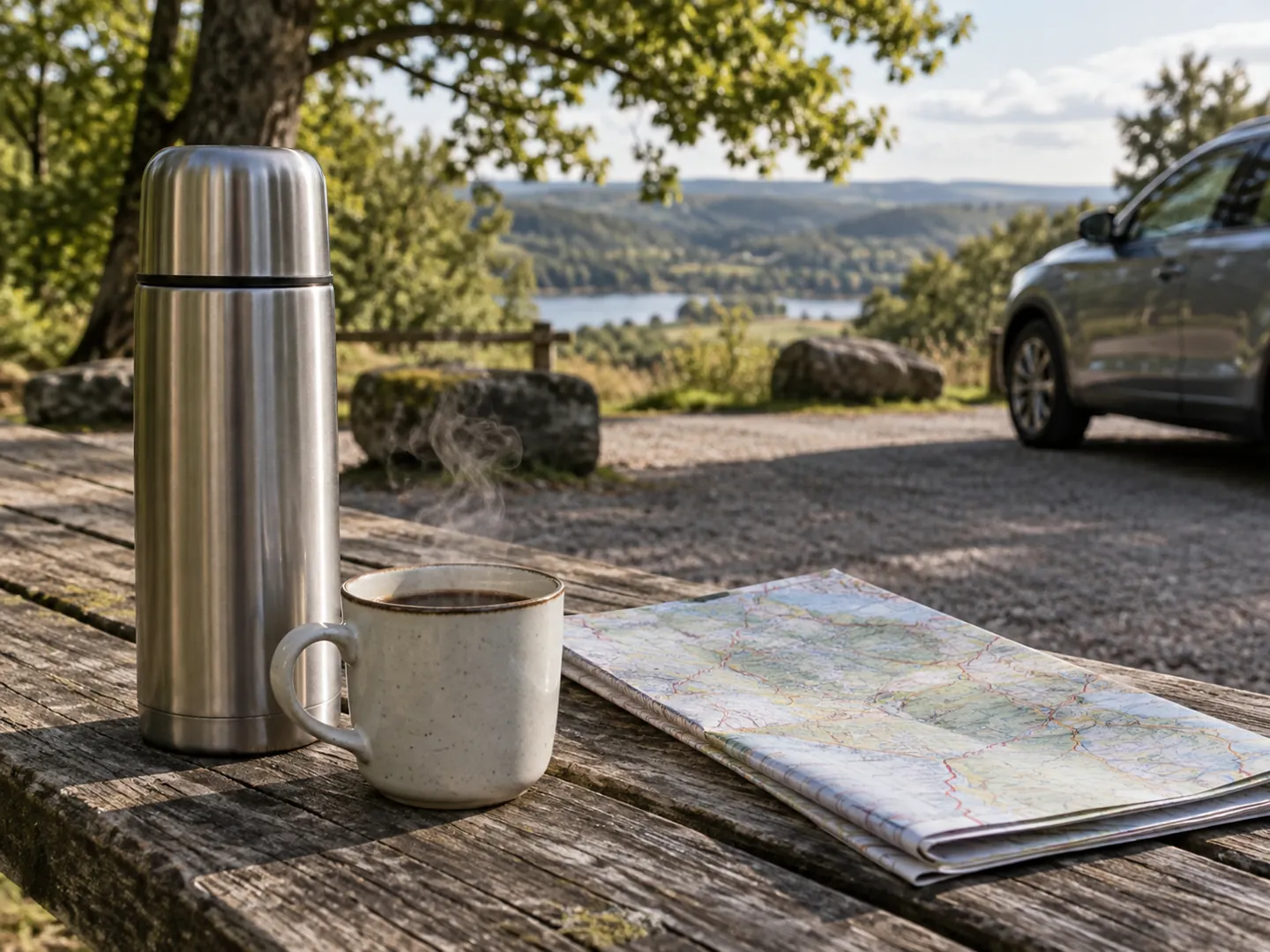
Plan a break of at least 15 minutes for every two hours of driving, at safe places along your route.
If sleepiness arrives, pull in somewhere safe as soon as you can. Never use the hard shoulder or an emergency area to rest.
WHEN SLEEPINESS IS A CONDITION
The DVLA says you must tell it if you have confirmed moderate or severe obstructive sleep apnoea syndrome with excessive sleepiness, narcolepsy or cataplexy, or another sleep condition that has caused excessive sleepiness for at least 3 months.
You must not drive until you are free from excessive sleepiness, or your symptoms are controlled. You can be fined up to £1,000 for not telling the DVLA about a medical condition that affects your driving, and your doctor can advise if you are unsure.
Questions
How often should I take a break?
The Highway Code recommends a minimum break of at least 15 minutes after every two hours of driving, and suggests planning the stops before you set off.
When are drivers sleepiest?
The DVLA says natural sleepiness peaks between midnight and 6am and between 2pm and 4pm. The Highway Code advises avoiding long journeys between midnight and 6am.
Can I stop on the hard shoulder for a rest?
No. The Highway Code says that if you feel sleepy you should stop in a safe place, and not in an emergency area or on the hard shoulder of a motorway.
Who is most at risk of falling asleep at the wheel?
RoSPA lists young male drivers, truck drivers, company car drivers and shift workers. The DVLA highlights males aged 18 to 30 driving late at night.
Do I need to tell the DVLA about sleepiness?
Only for certain conditions, such as moderate or severe obstructive sleep apnoea with excessive sleepiness, narcolepsy, or a sleep condition causing excessive sleepiness for at least 3 months.
ABOUT THIS NAME
doodledriver.com is part of the DoodleSale portfolio. It isn't in an auction right now, but you can ask about leasing it.